Beverages in Palestinian Culture
مشروبات
Palestinian coffee is strong and aromatic, brewed on the stovetop with freshly ground cardamom, and served sweet or unsweetened based on preference in small finjan cups. The act of offering coffee is a ritual of honor and respect. Meanwhile, sweet black tea, often steeped with mint or sage, flows freely during long conversations and with breakfast meals. In the heart of the city, coffee shops are the beating soul of the marketplace. Men gather around worn wooden tables to play tawleh (backgammon), smoke argileh, and exchange the day’s news over tiny cups of coffee or tall glasses of tea. These spaces are more than cafes—they are living rooms of the street, places where time slows and community breathes. While many Palestinian households and communities are rooted in traditional and often non-alcoholic customs, alcohol is present in daily life, especially in Christian communities and cosmopolitan cities like Ramallah, Bethlehem, and Jerusalem. Locally produced Palestinian wines, local beers like Taybeh, and arak—an anise-flavored spirit—are enjoyed during celebrations, picnics, holidays, and family gatherings. As with much of Palestinian life, the presence of alcohol is guided by cultural, religious, and personal traditions, woven into the broader tapestry of hospitality and conviviality.
In Palestine, beverages are more than a way to quench thirst—they are deeply embedded in the rhythms of daily life, seasonal rituals, and expressions of hospitality. Whether offered in the quiet comfort of a home or poured from the bustling carts of street vendors, drinks are a symbol of welcome, rest, and community. In busy markets and along narrow streets, you’ll find carts and tiny corner shops juicing seasonal fruits on demand. During the hot summer months, there’s nothing more refreshing than a glass of freshly squeezed lemonade infused with crushed mint, or vibrant pomegranate juice, tart and sweet in equal measure. Tiny shops dot the city corners, offering cold sips of tangy ayran (yogurt drink) or fruit juices and smoothies made from the day’s freshest produce. Certain drinks hold special meaning during specific times of the year. Ramadan evenings aren’t complete without chilled tamarind, qamar al-din (apricot nectar), or kharoub (carob juice), traditionally served to break the fast. In winter, gatherings are warmed with herbal teas like meramiyeh (sage), na’na (mint), za’atar, or wild thyme, all brewed for both comfort and healing. And always—always—there is coffee and tea. A gathering begins with one and ends with the other.


Super Green Smoothie
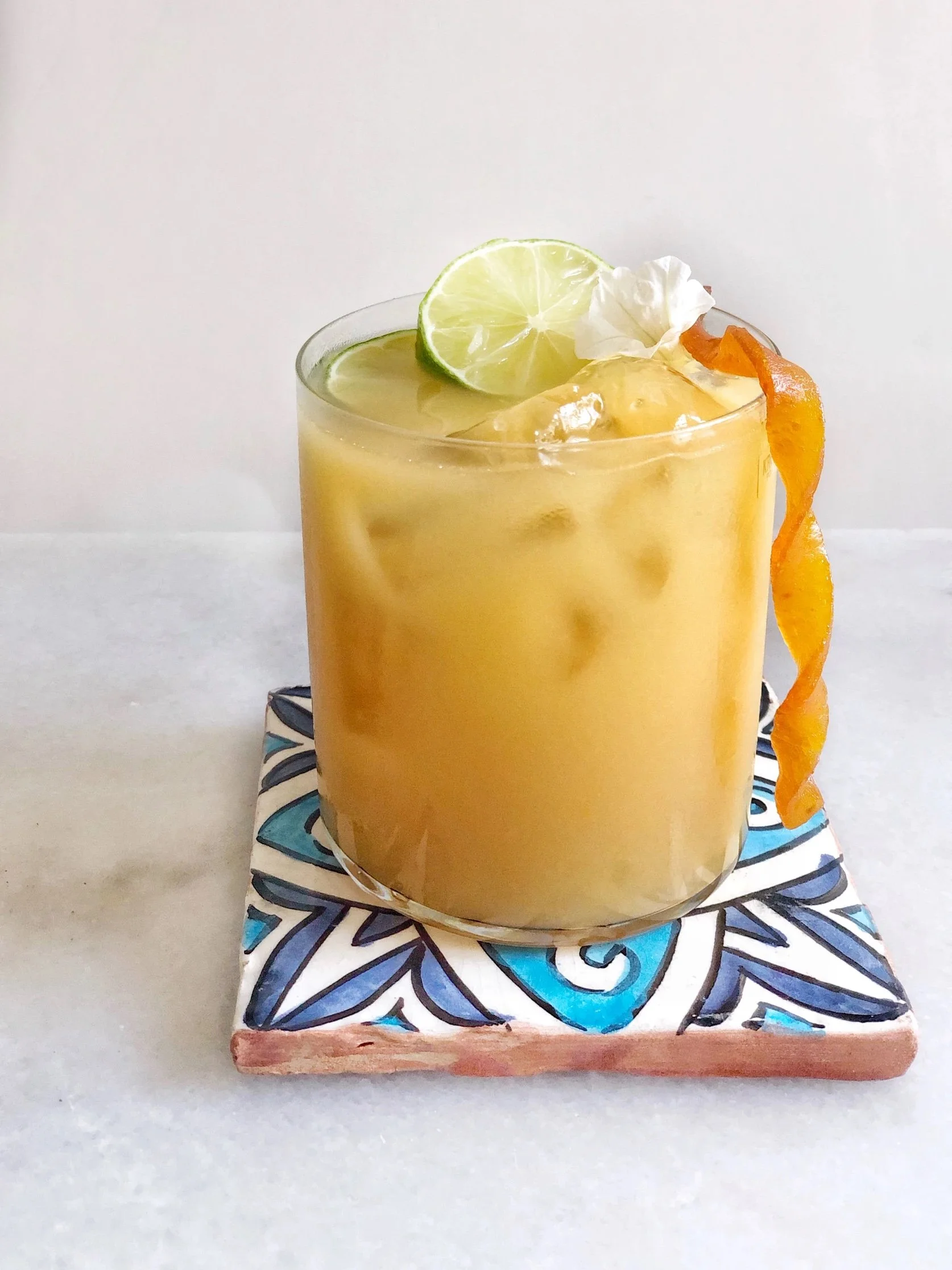
Qamar Al Deen Margarita
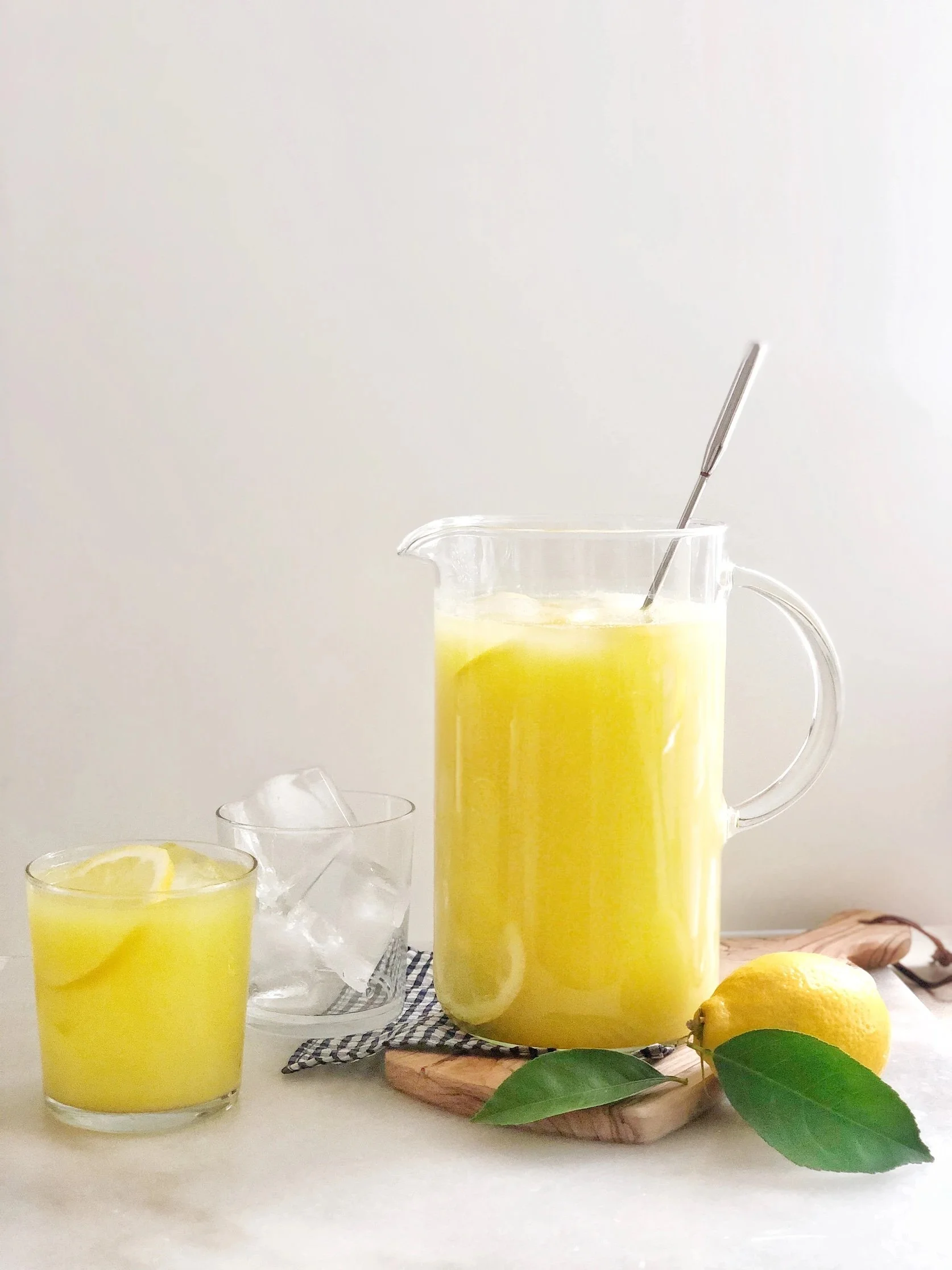
Pineapple Ginger Lemonade
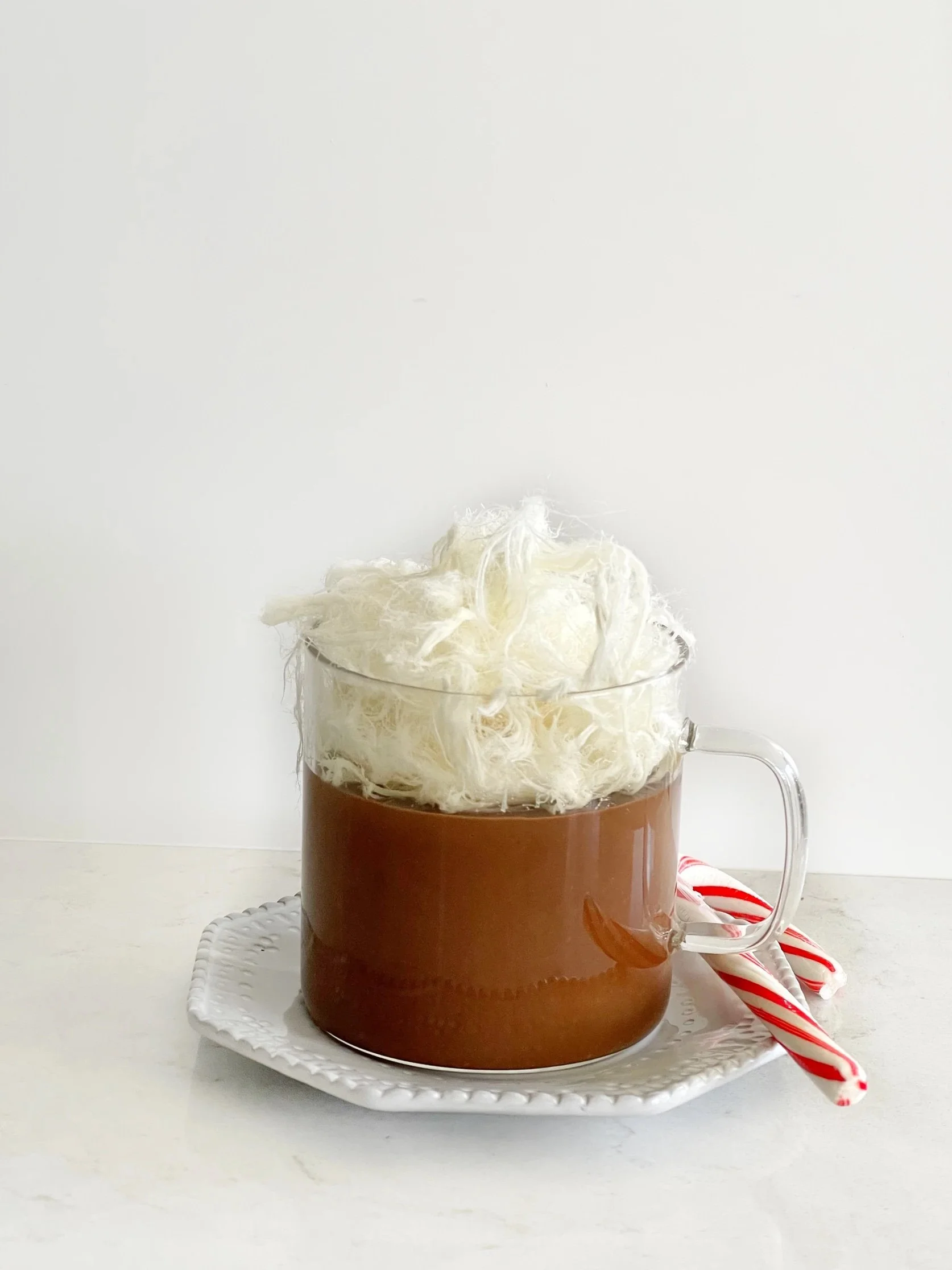
Holiday Hot Chocolate
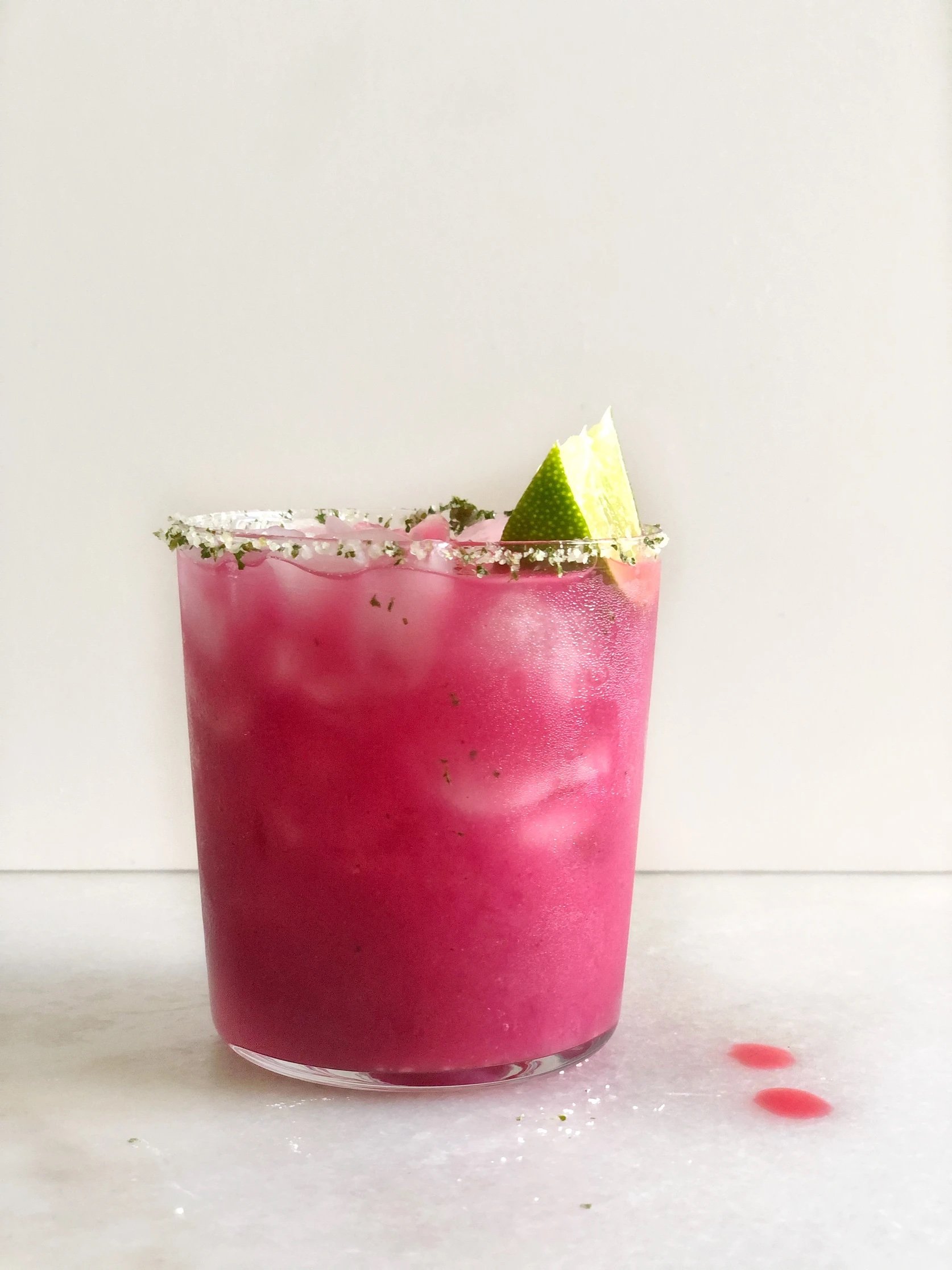
Al Saber ya Margarita