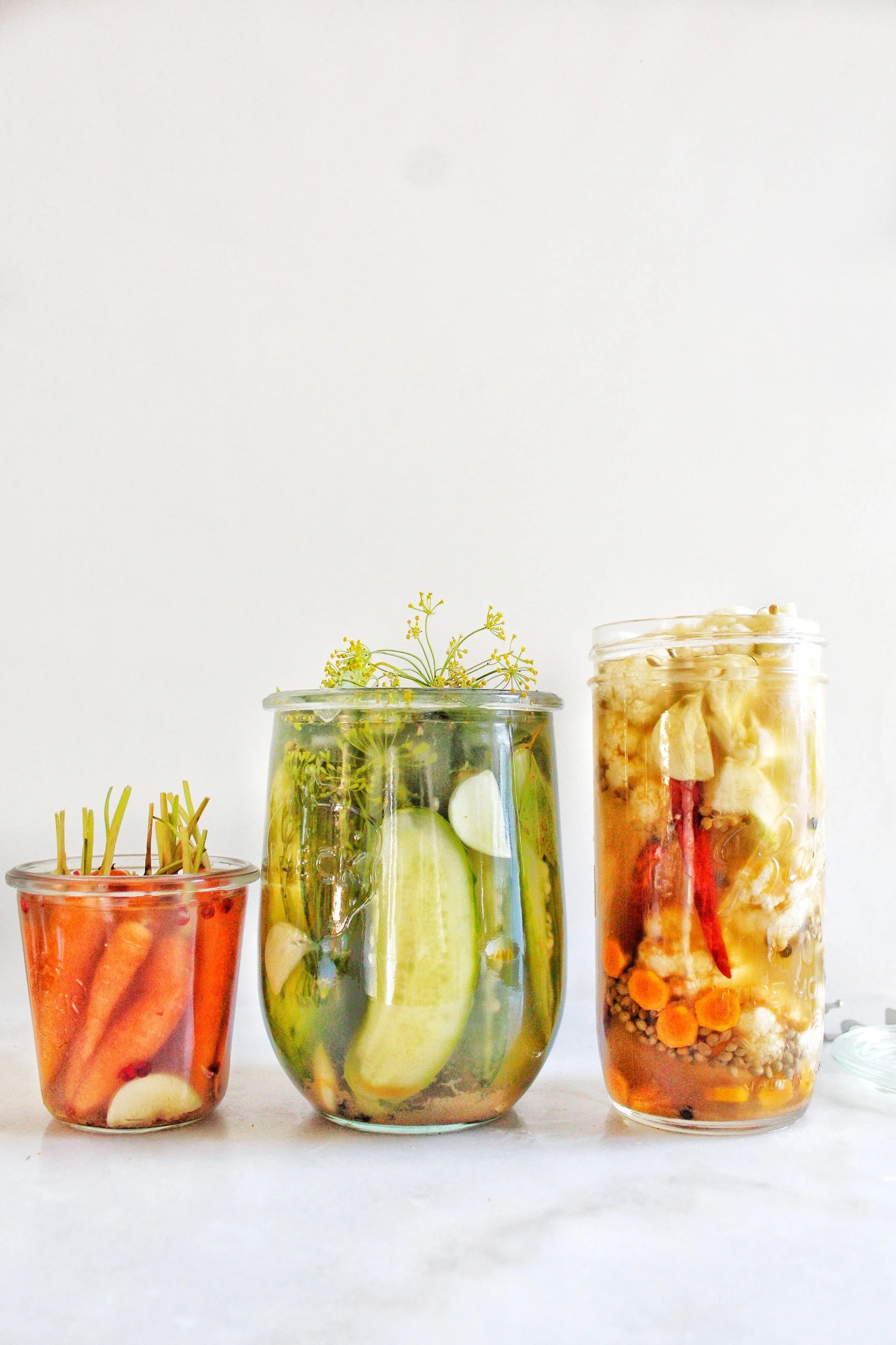
The Palestinian Pantry: Mouneh
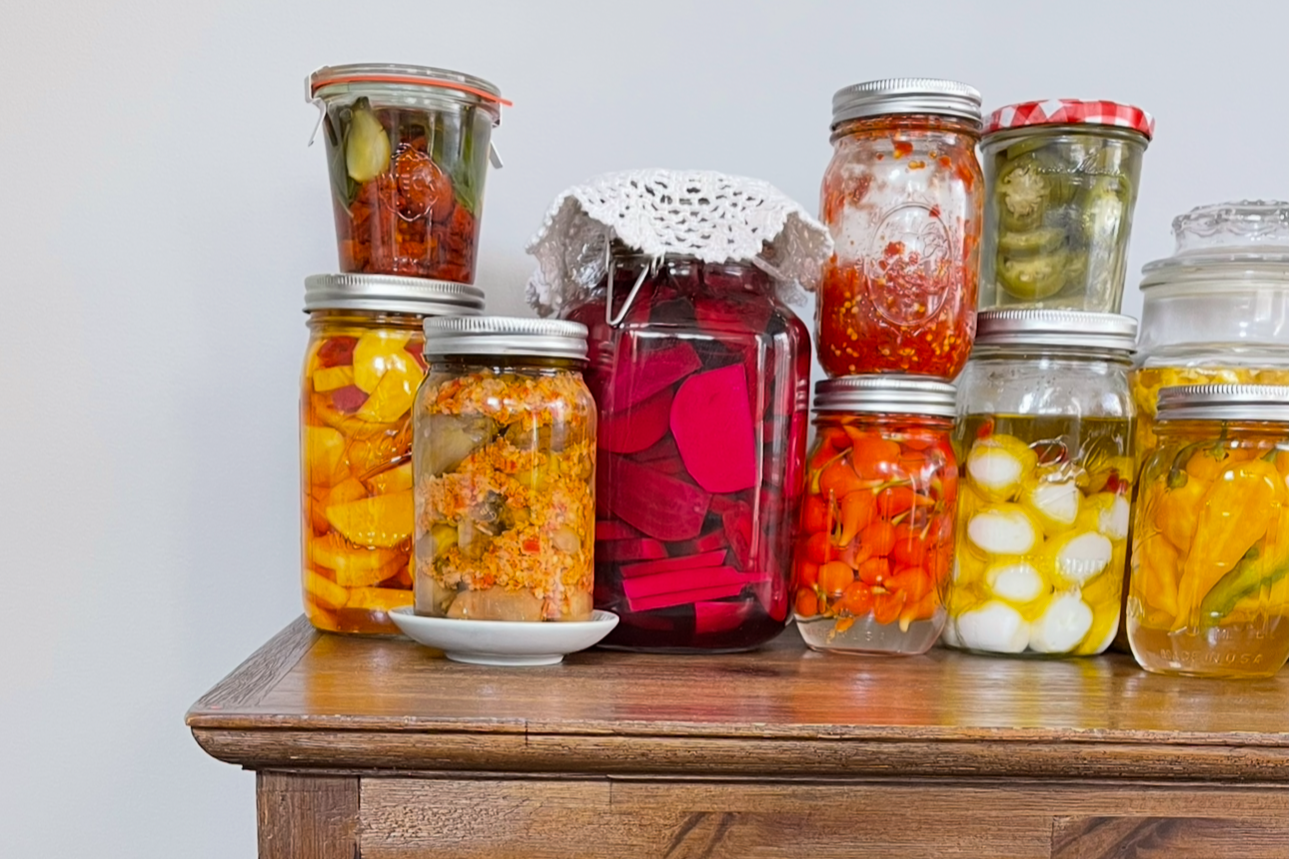
For many Arab and Palestinian families, one of the most important parts of the kitchen is the supply pantry, or “namlieh” (نمليه). In my grandmother’s and mother’s kitchens, these pantries were filled with all sorts of preserved goods known as “mouneh” (مونه). The word mouneh comes from the Arabic root mana, meaning “to store,” but it’s much more than simply preserving food.
Rooted in centuries-old Palestinian traditions, mouneh is a way to celebrate the abundance of each season while honoring the land and the labor of generations past. A traditional Palestinian pantry is a treasure trove of flavors and textures:
Oils and Condiments: Olive oil, tahini, olives, pickles
Dried Fruits and Vegetables: Eggplants, lemons, tomatoes, grape leaves, okra
Grains and Legumes: Staples for everyday cooking
Sweet and Savory Preserves: Jams, molasses, dried herbs, and spices
Dairy Essentials: Brined white Nabulsi cheese, strained yogurt balls (labaneh tabaat), and dried yogurt balls (mansaf balls)
Every jar, every preserved vegetable or fruit, is a treasure — a taste of seasons gone by and a connection to the kitchens, fields, and hands that came before us. For me, and for many Palestinians living far from home, mouneh has become far more than storing food for the winter months. It is a living link to our heritage, a way to keep our culinary culture alive, and a reminder that food carries the stories, memories, and resilience of our families.
" خبز وزيت أسدين في البيت "
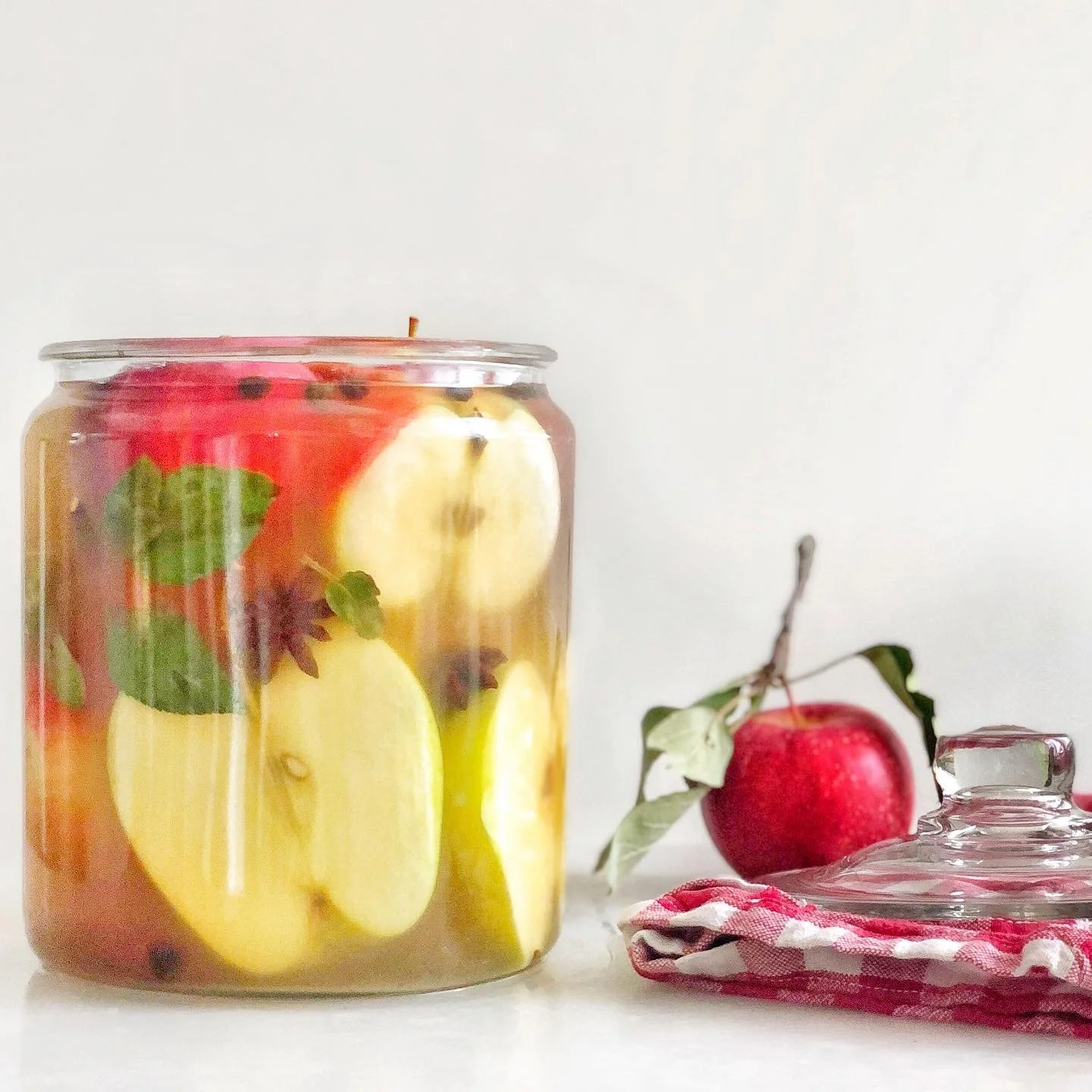
Apple Pickles
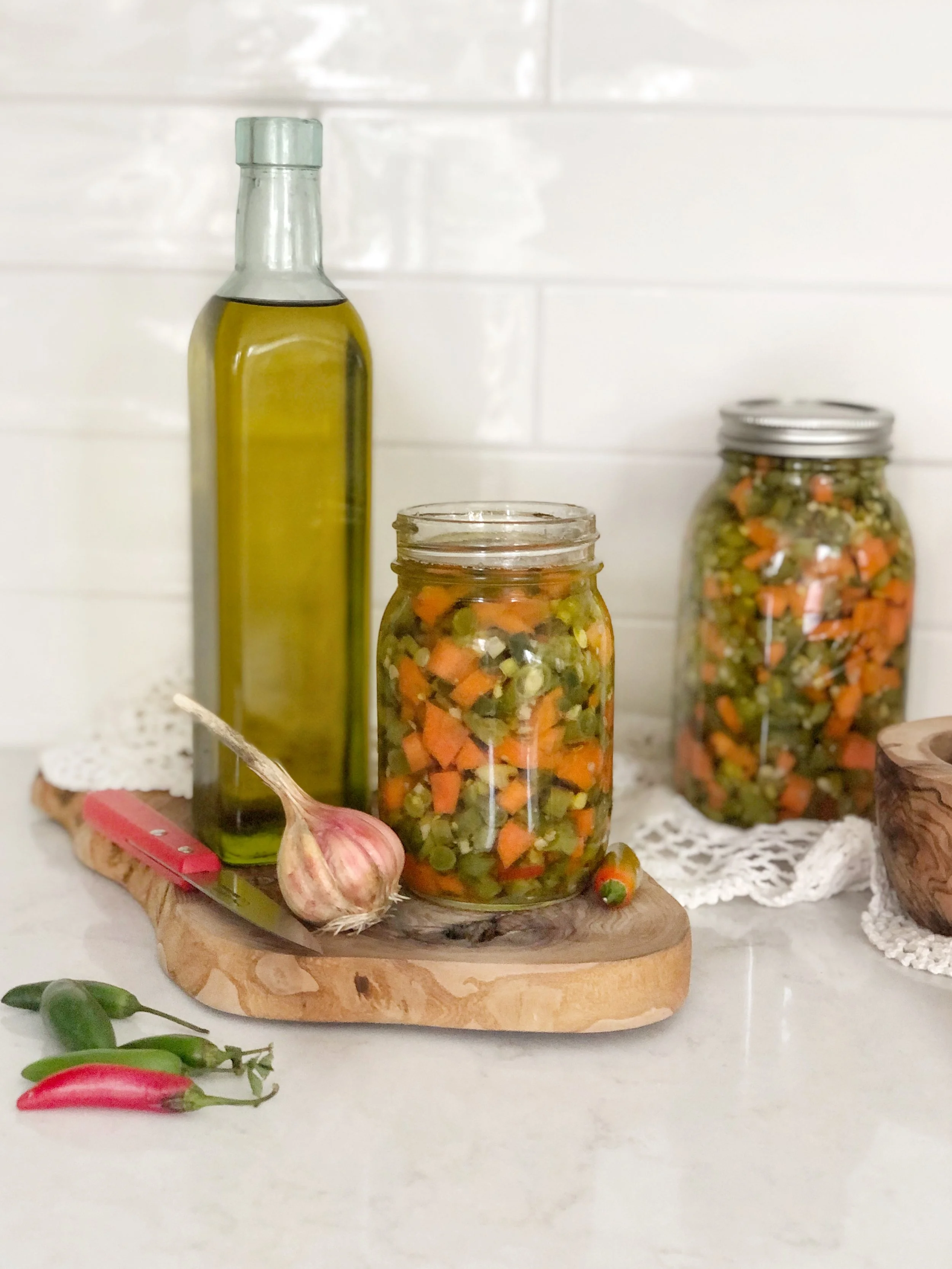
Teta's Carrot & Green Beans Pickles in Olive Oil
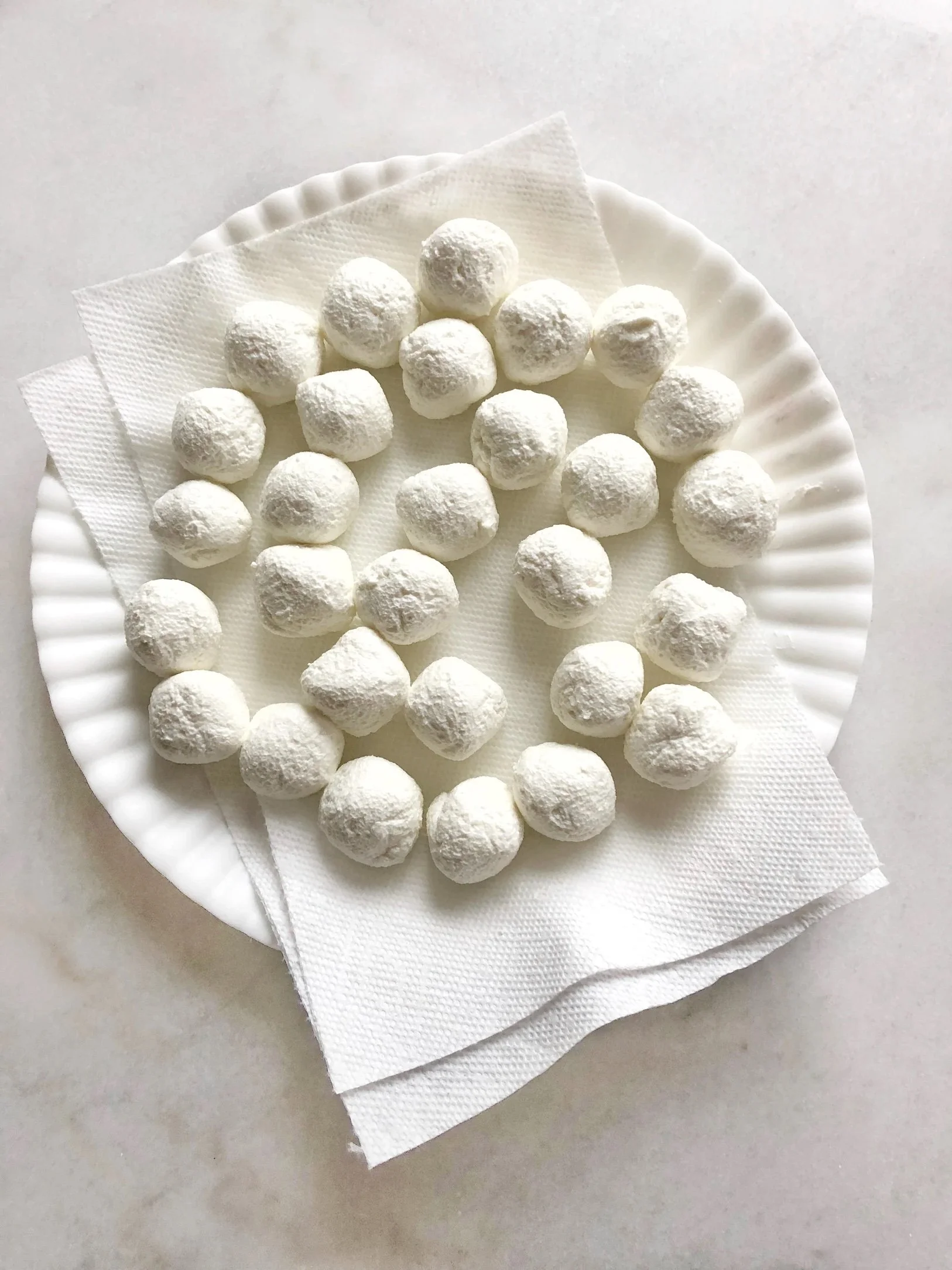
Labaneh Tabat (Labaneh Balls)
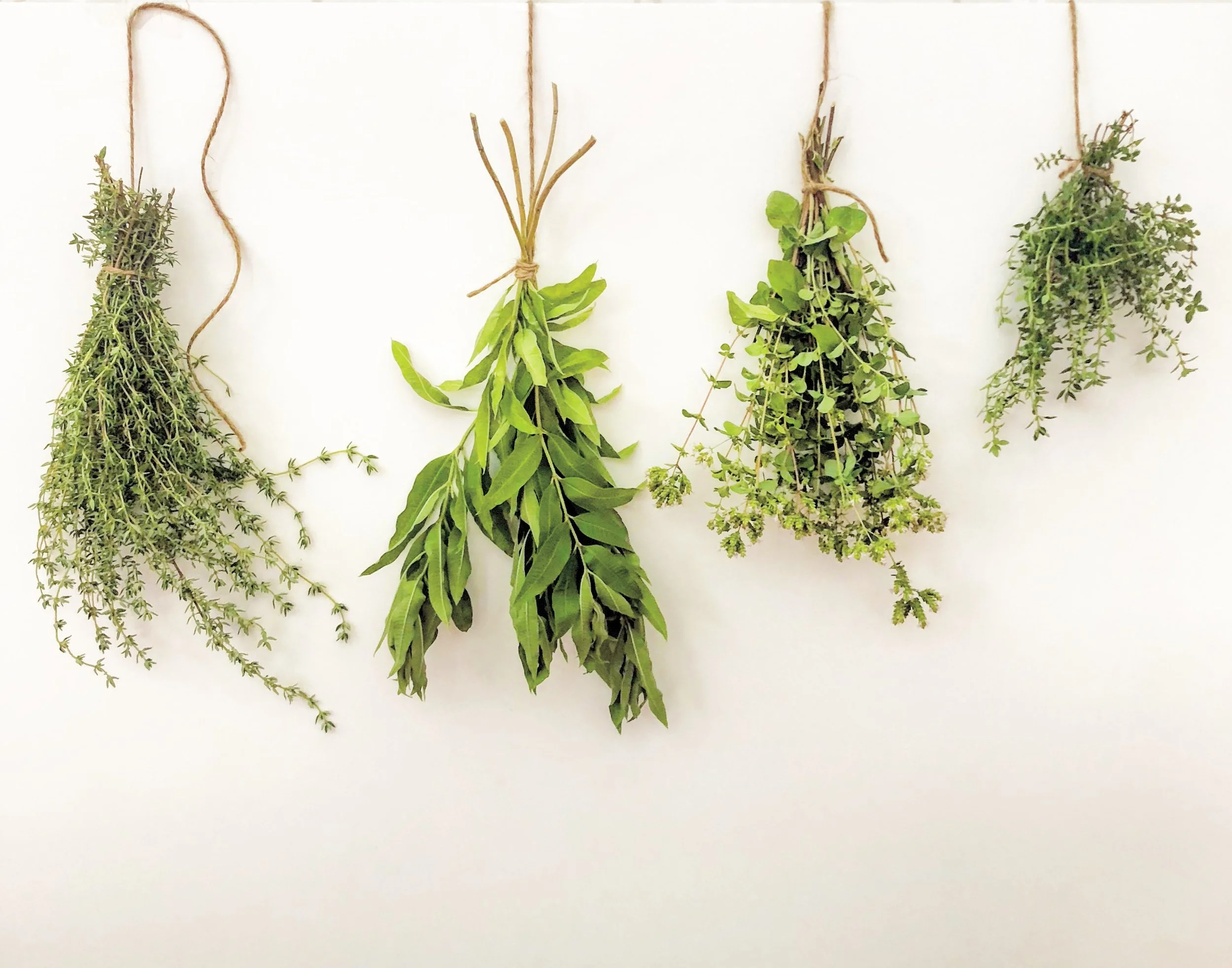
The Art of Drying Herbs
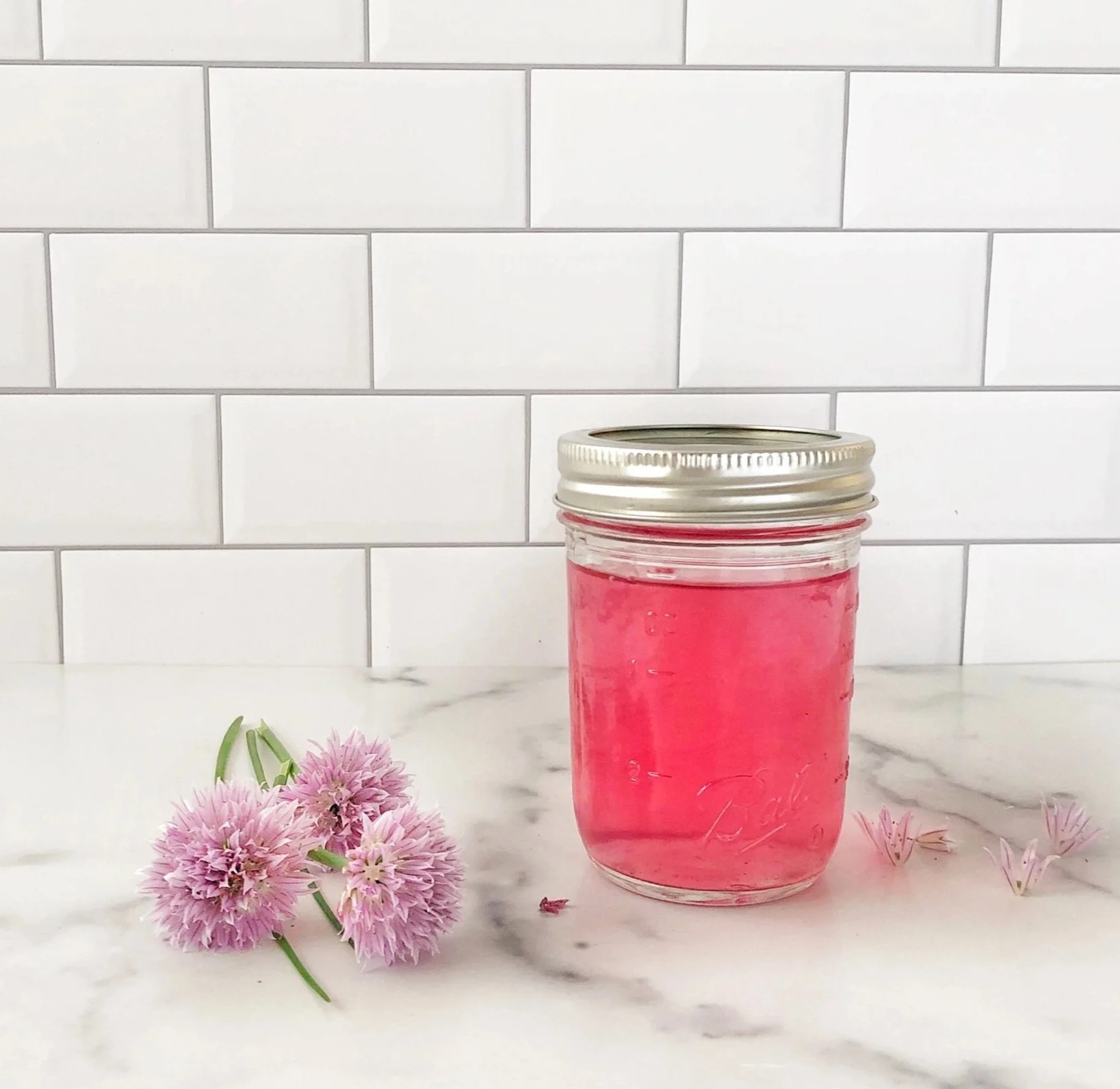
Pink Vinegar: With Chive Blossoms