

From Teta’s Table: Nafas Tips
Cooking with Nafas is an intimate journey into the heart of culinary traditions, where each recipe becomes a canvas painted with the essence of cherished memories and the spirit of our beloved mothers and grandmothers.
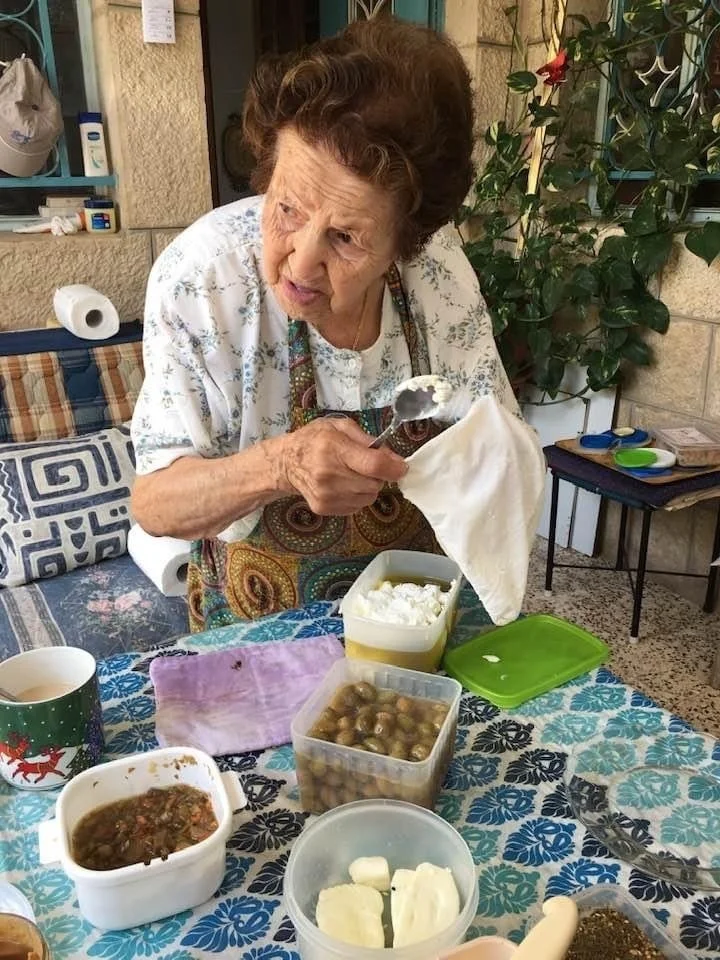
In this culinary experience, the act of cooking transcends mere preparation; it becomes a soulful connection to heritage, tradition, and the personal touch of my grandmothers. The kitchen transforms into a sacred space, where the aroma of spices and the sizzle of ingredients echo the timeless wisdom and love passed down through generations. "Cooking with Nafas" is a tribute to the unique flavors, techniques, and stories that encapsulate the essence of my beloved tetas, infusing every dish with a sprinkle of nostalgia.
As the pot simmers and the dough is kneaded, the act of cooking becomes a conversation with the past, a way to honor the culinary legacy imprinted by tetas. Whether it's the secret ingredient passed down through whispered recipes or the warmth felt in the familiarity of traditional dishes, "Cooking with Nafas" is a celebration of the soulful connection between food and my tetas who made it more than just a meal.
It's an invitation to embrace the slow simmer of tradition, the generous sprinkling of love, and the art of transforming ingredients into a symphony of flavors that resonate with the heart. So, step into the kitchen with Nafas, where each dish tells a story, and every bite is a journey through time, flavor, and the enduring love of those who inspired and protected it for generations to come.
Tip No. 1:
Storing Olive Oil
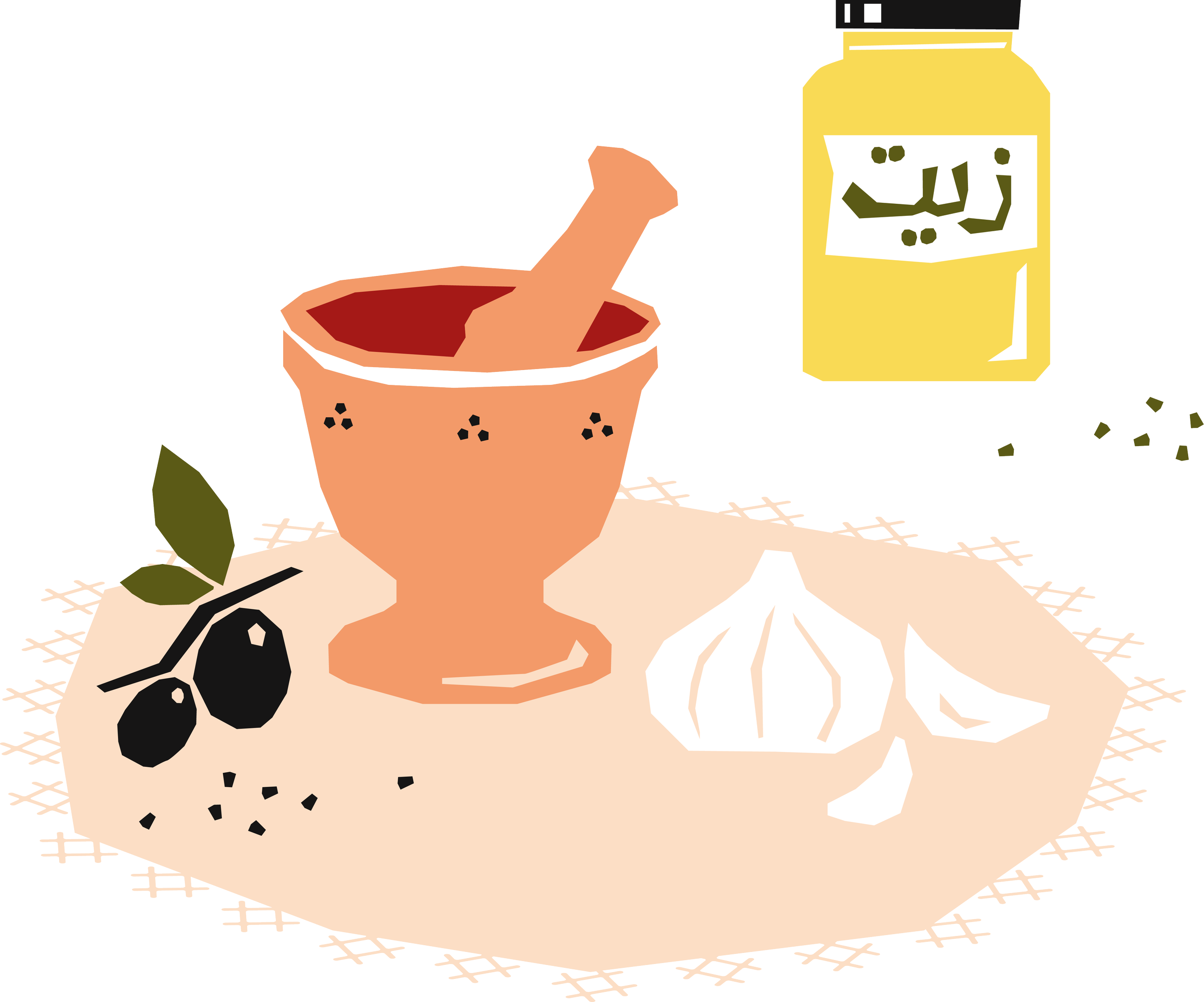
Properly store olive oil in dark glass or stainless-steel containers to preserve its quality, flavor, and nutrients. Keep bottles in a dark cupboard away from light and heat, tightly sealed to prevent oxidation.
Tip No. 2:
Drying your own herbs
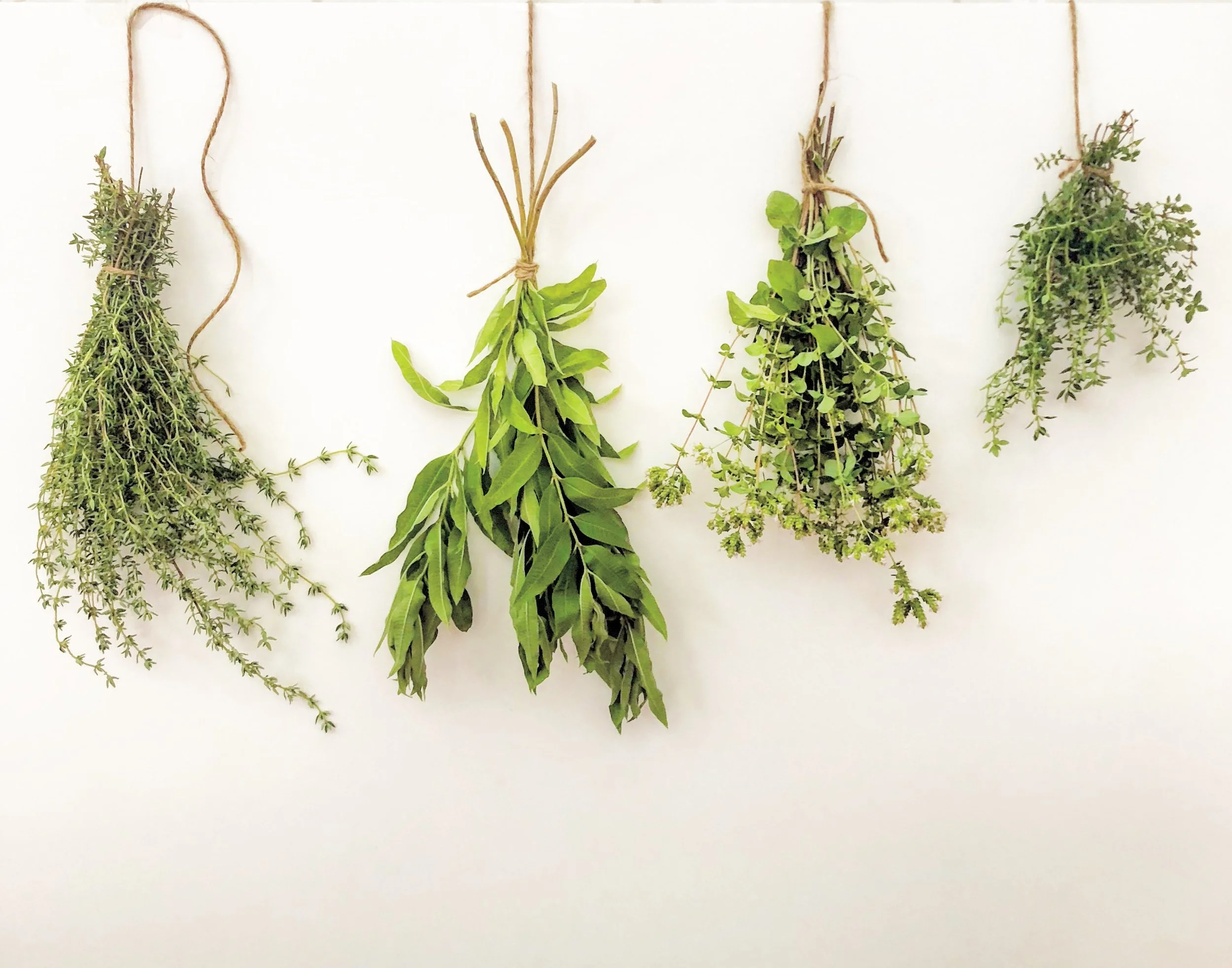
Drying herbs is a cost-effective method to preserve your summer garden. Ideal herbs for drying: rosemary, thyme, za’atar, lemon verbena, mint, oregano, sage, parsley, dill, marjoram, and bay leaves. Harvest herbs in the morning before sunlight and flowering, washing them thoroughly. Bundle herbs with stems like lemon verbena and rosemary, hanging them in a warm, dry area with airflow. For mint and sage, pluck leaves, wash, and dry on a towel. Once dry, separate leaves from stems and store in jars in a cool, dry place. When using dried herbs, rub them between your fingers to release their oils and flavor.
Tip No. 3:
Foraging for Grape Leaves
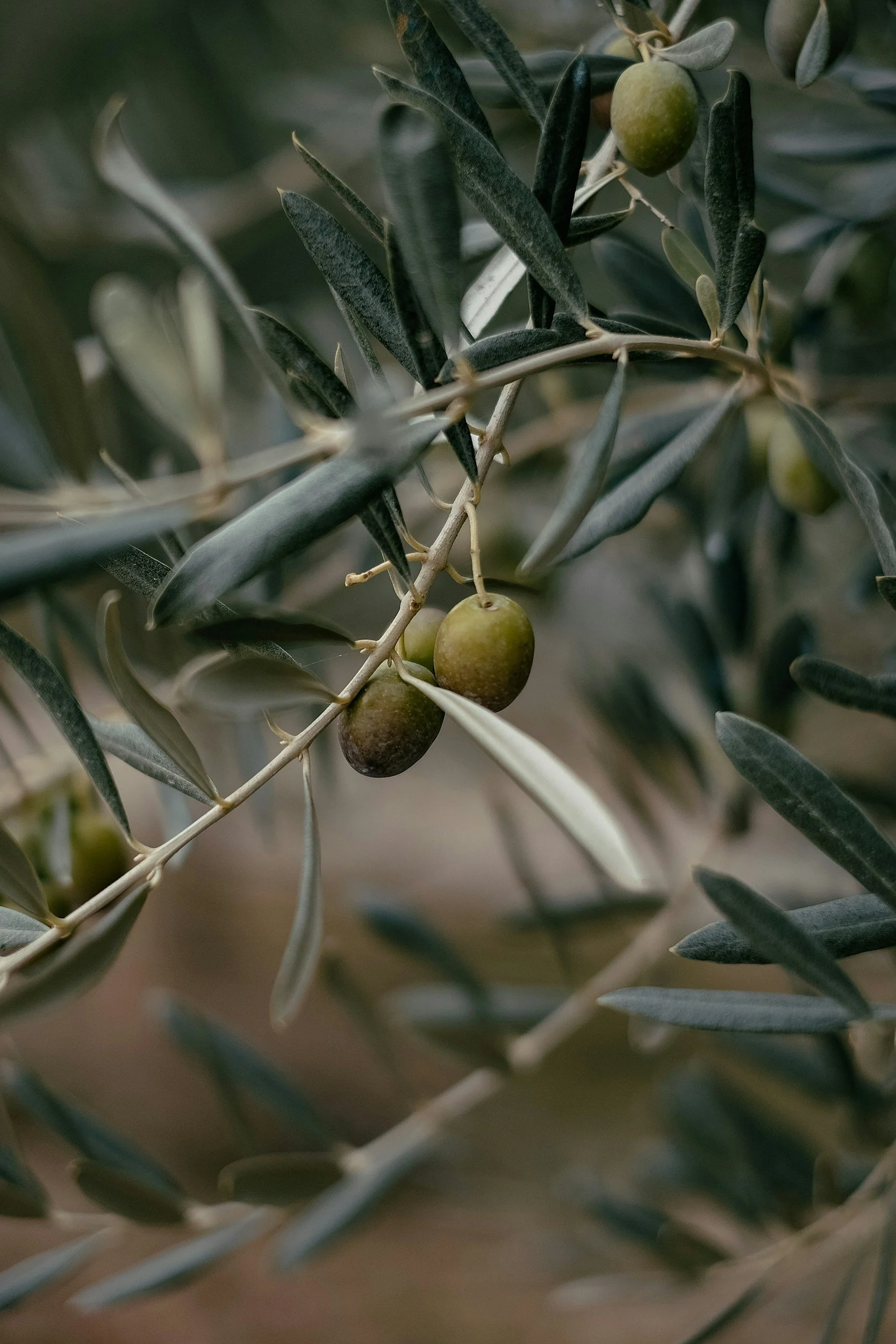
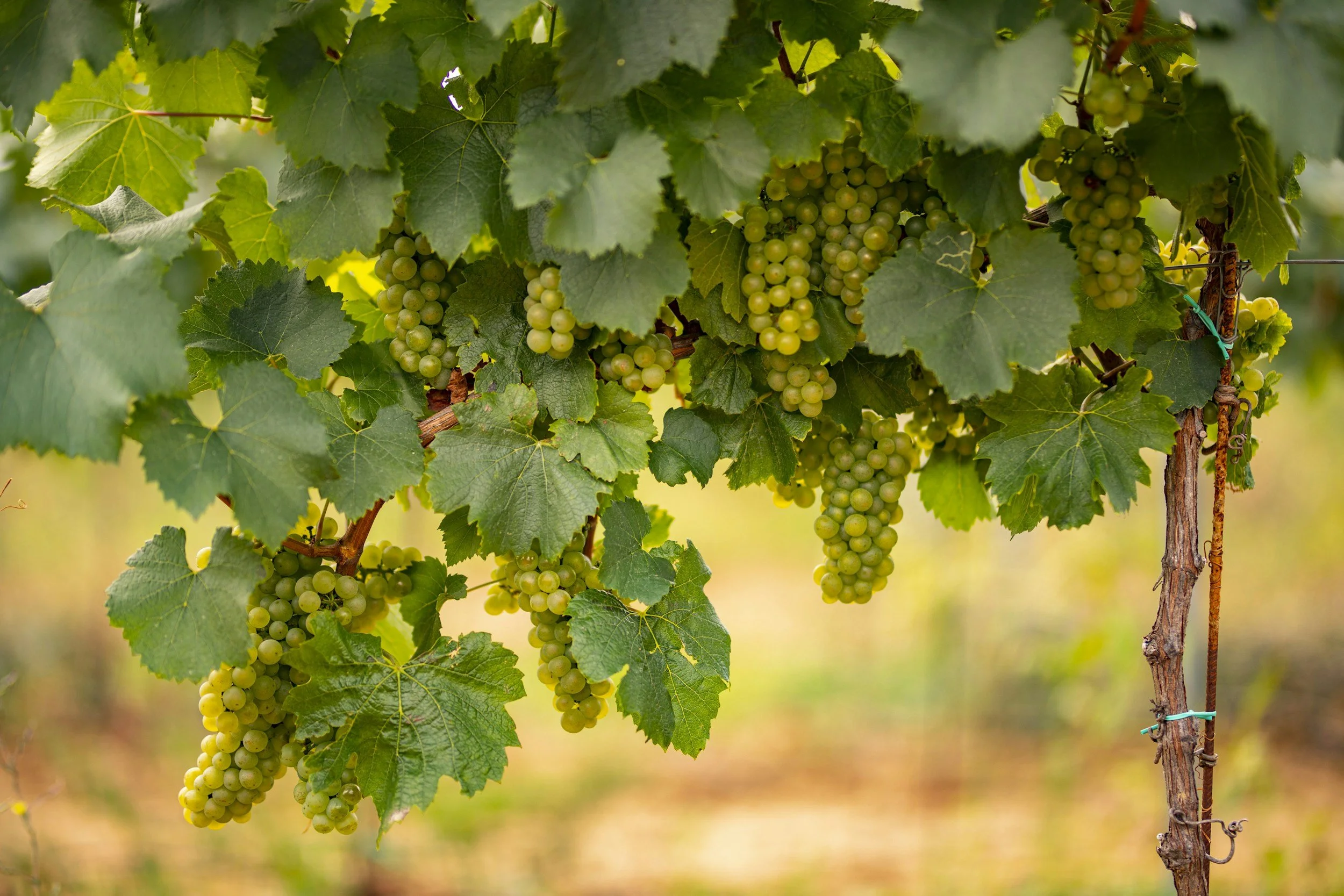
Foraging grape leaves can be enjoyable, but its crucial to do so responsibly. First, identify grapevines by their heart-shaped, three-lobed leaves and tendrils. Forage in spring for tender leaves, avoiding older ones. Choose pesticide-free areas away from roadsides. Check leaves for damage or pests. Follow local regulations and ask permission. Harvest carefully with scissors or fingers, leaving some leaves behind. Watch out for poisonous lookalikes. For culinary use, wash, and briefly blanch in boiling water to soften. Harvest sustainably, avoiding over harvesting and respecting the local ecosystem.
Tip No. 4:
Peeling A Pomegranate
To peel a pomegranate, start by cutting off the crown and scoring the skin along its natural ridges. Gently pull the pomegranate apart into sections, and submerge the pieces in a bowl of cold water. As you separate the seeds (arils) from the white membrane, the membrane will float to the top, making it easier to discard. The seeds will sink to the bottom of the bowl, ready to be strained and used. This method helps keep the juice from splattering and makes the process cleaner.
