Breakfast in Palestine صباح الورد
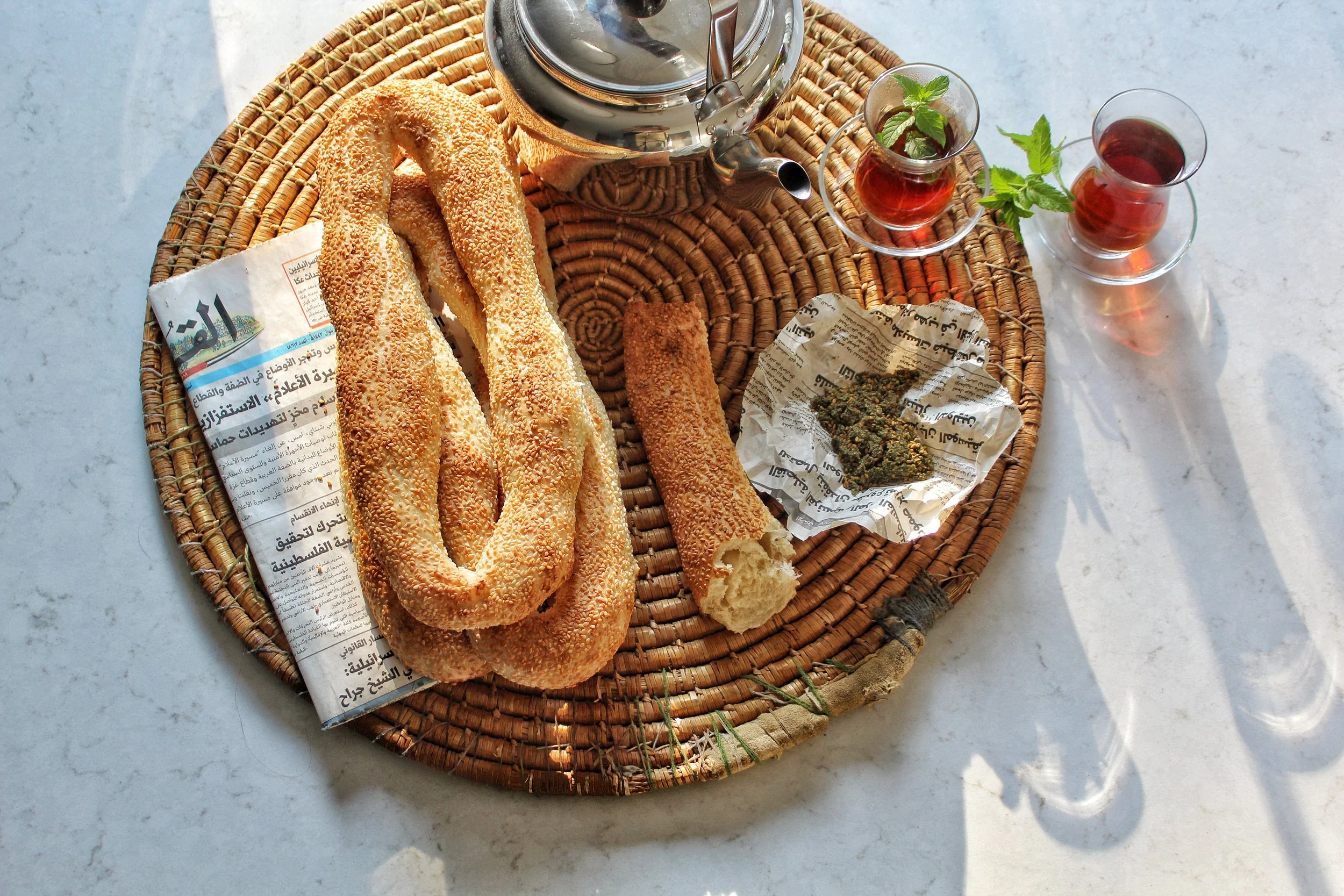
The act of taghmees—dipping—is central to the Palestinian way of eating. Bread becomes your utensil, used to scoop up everything from labneh and hummus to eggs and makdous. Two small ceramic bowls of zeit (olive oil) and za’atar are always within reach, ready for dipping warm bread in a sacred, almost ceremonial gesture. Sometimes, the za’atar is mixed with oil into a paste and slathered onto dough before being baked into mana’eesh.
An assortment of homemade pickles, olives, and seasonal jams often share space with baladi (fresh) butter and boiled Nabulsi cheese—especially for those with a sweet tooth. My grandmother always included little plates of sliced halawa (a tahini sesame confection), and her homemade grape molasses swirled with tahini—a sweet and nutty delight I still crave. Mint tea refreshes in summer; sage tea comforts in winter. Coffee might come later, but it’s not part of the morning table.
The Palestinian breakfast table, much like a mezze spread, is meant to be savored slowly. It’s a table of generosity, memory, and belonging—a testament to the joy of sharing a meal, and the stories that rise with every bite.
Breakfast in Palestine specially on the weekend is an experience—never rushed, always shared. It’s a feast that brings the whole family together, a time for gathering around the table, laughing, telling stories, and lingering over food that’s prepared with love. Palestinian breakfasts are savory and abundant, filled with dishes that offer vibrant colors, diverse textures, and bold, comforting flavors. It’s a nourishing start to the day that carries you well into the afternoon.
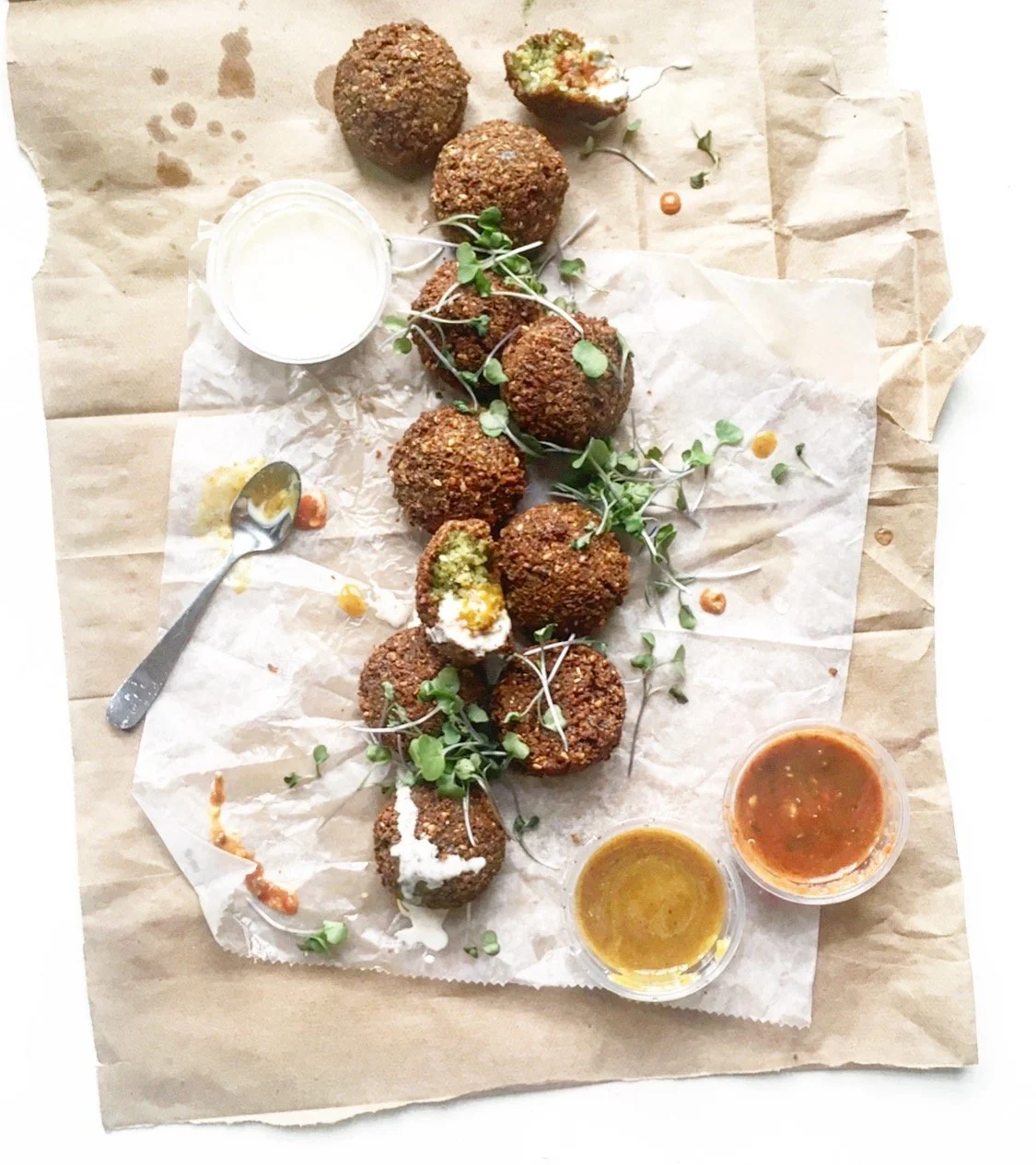
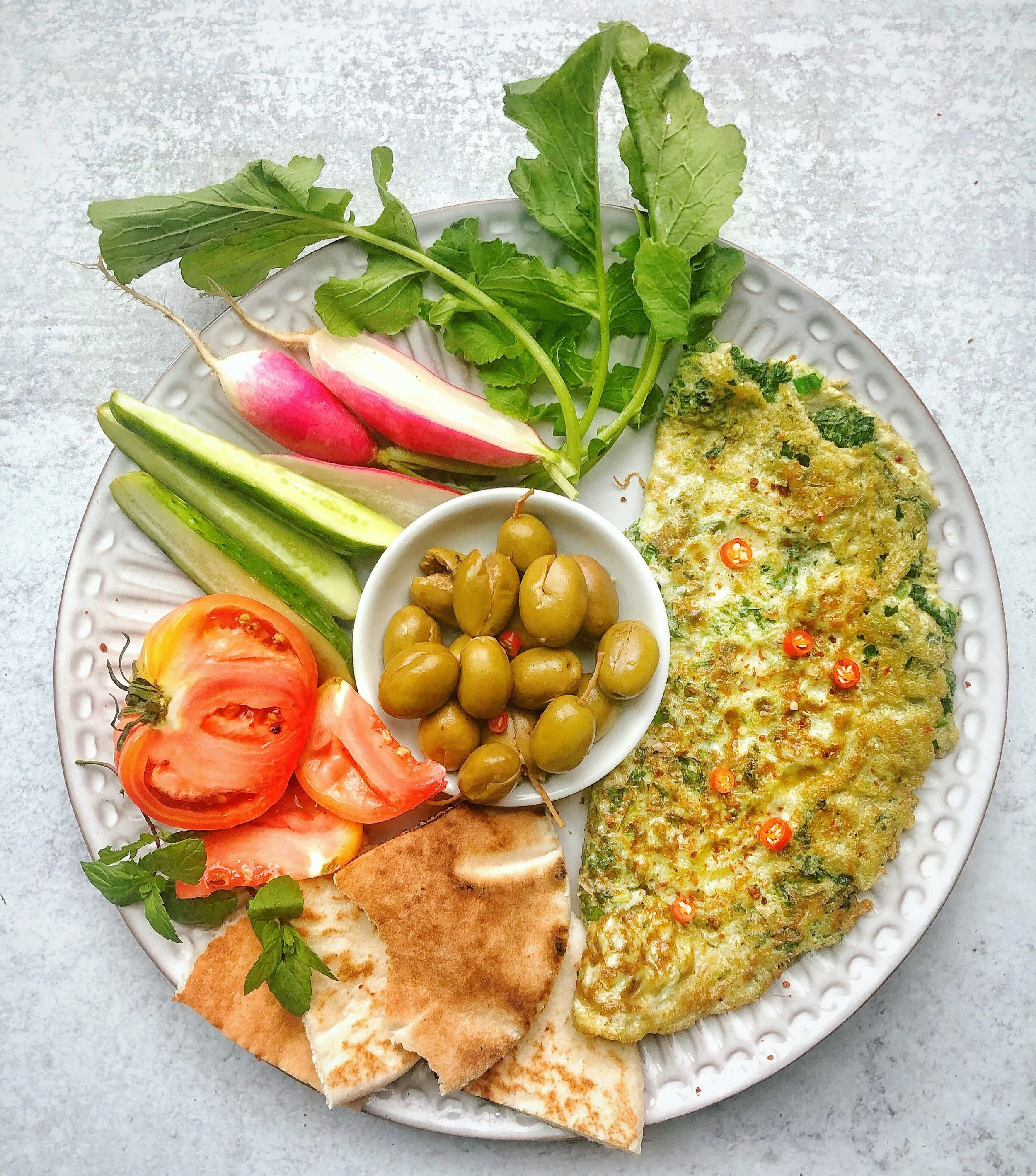
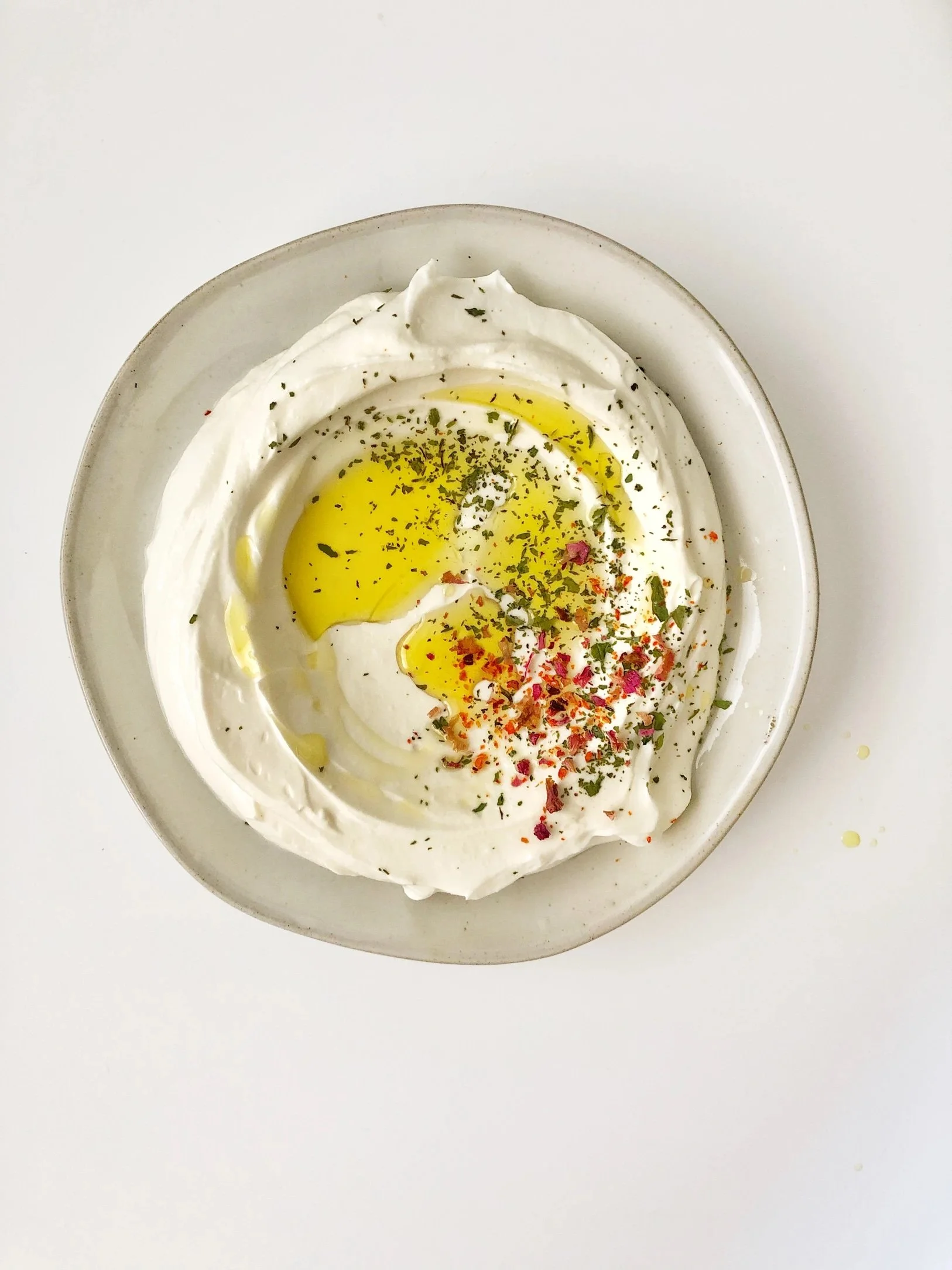
A typical spread features an array of fresh vegetables—sliced cucumbers, juicy tomatoes, crunchy peppers, and sprigs of mint or za’atar—alongside pantry staples such as jams, pickles and cheeses. And dishes from the local makhbaz (bakery) or falafel nook down the street. A warm egg dish is almost always present: perhaps ijeh (a Palestinian herb frittata) hard-boiled eggs drizzled with olive oil, or my dad’s favorite—fried eggs with sujuk (Armenian sausage) crisped in olive oil and dusted with sumac. Some dishes are made specifically for breakfast, while others, like hummus, falafel, and labneh, cross into lunch and dinner. Falafel, always hot and crunchy, is often picked up from a beloved neighborhood spot—rarely made at home. It’s dipped into creamy hummus, scooped with torn pieces of fresh bread. We also enjoy foul—(add link) a rich and garlicky fava bean dip flavored with lemon juice, and always topped with olive oil.

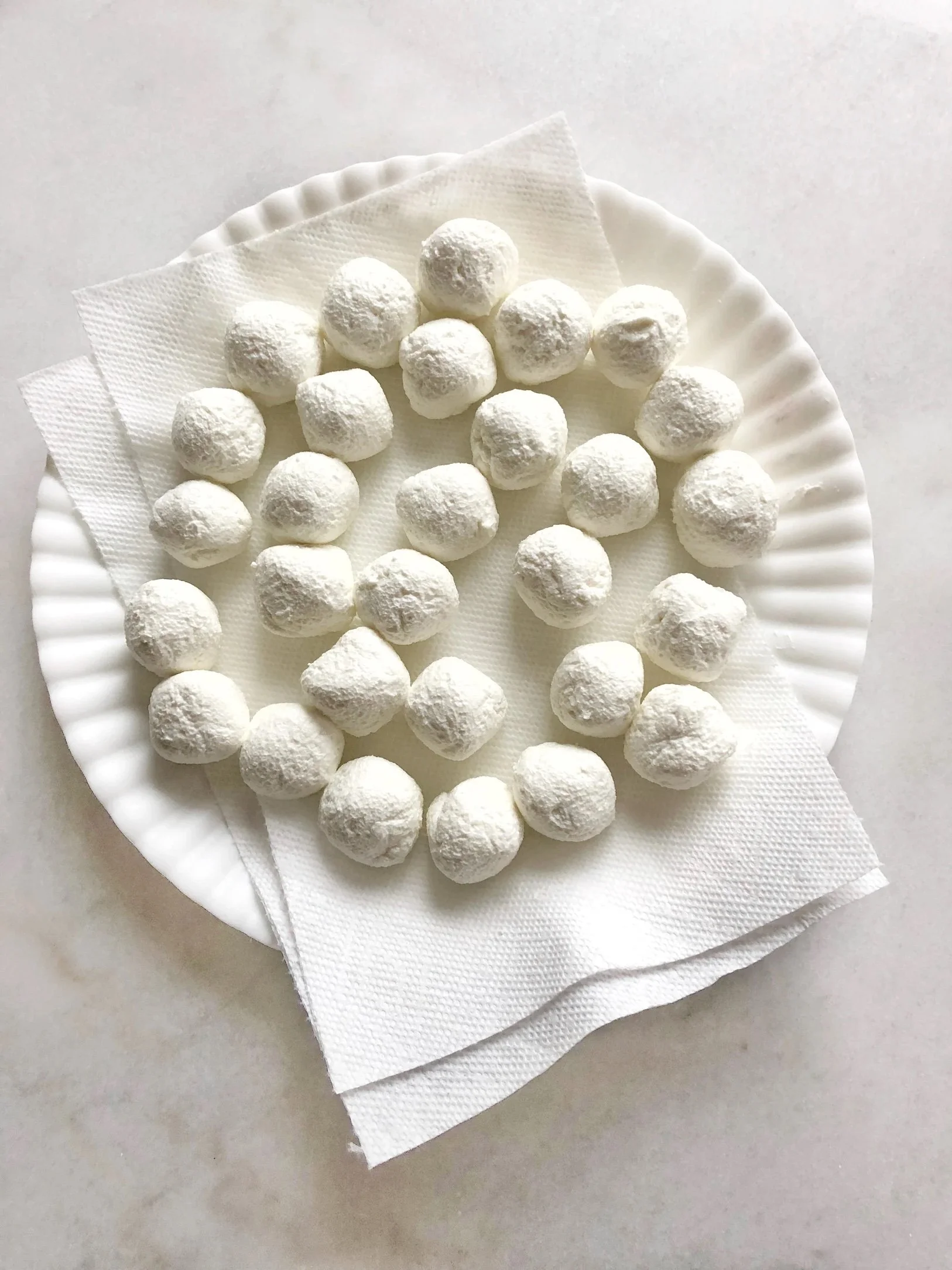
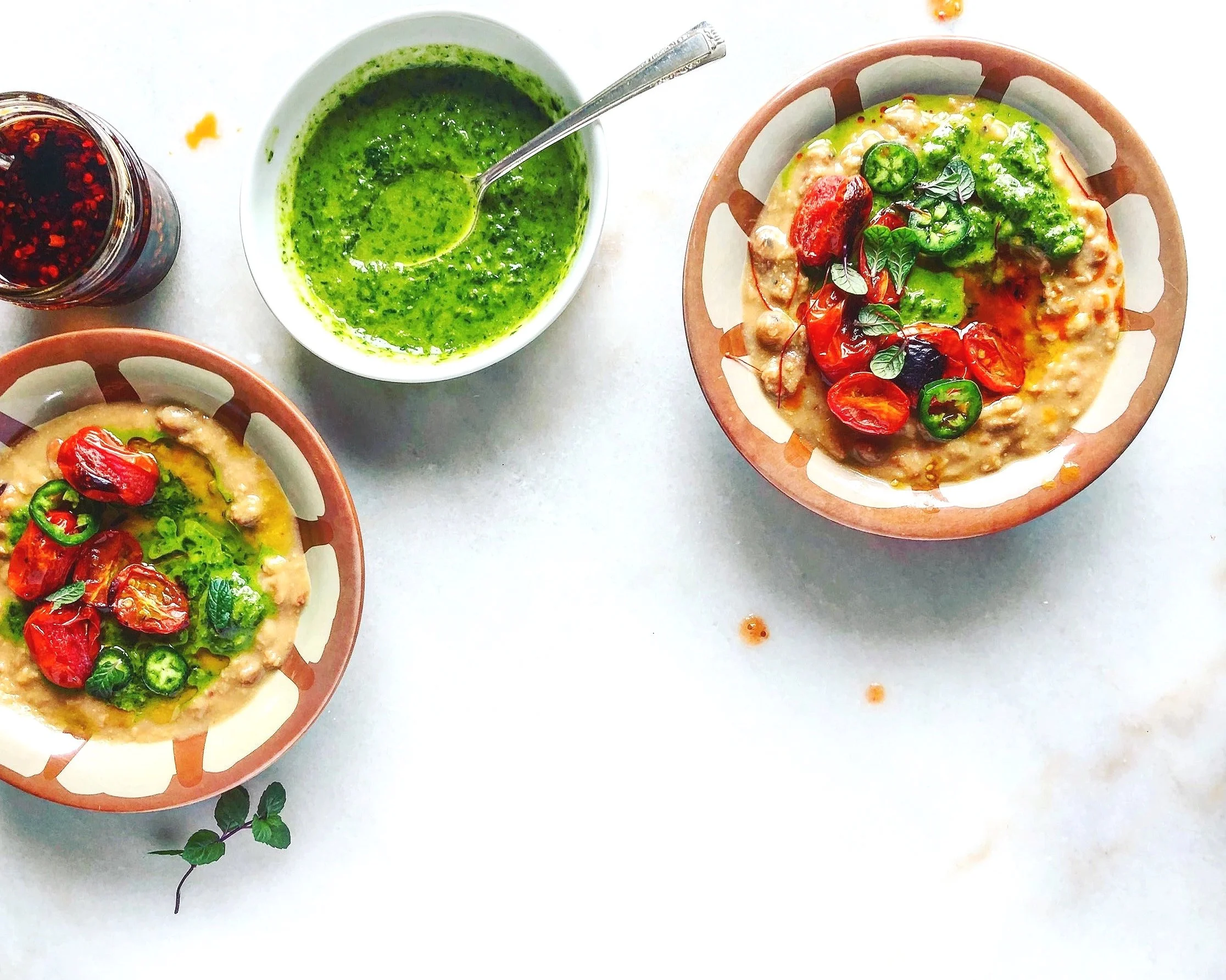
Foul Mudammas
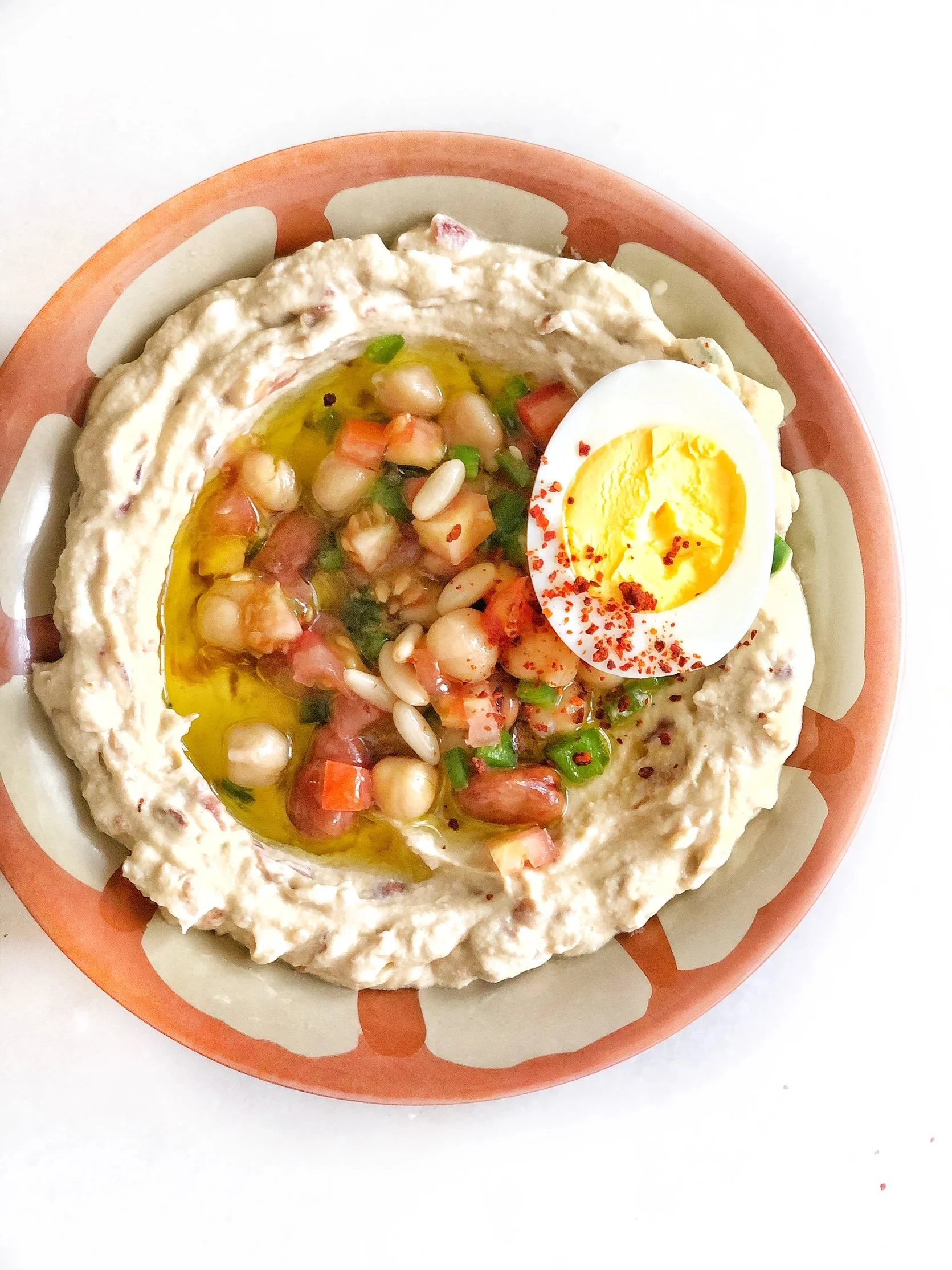
Jerusalem Ful
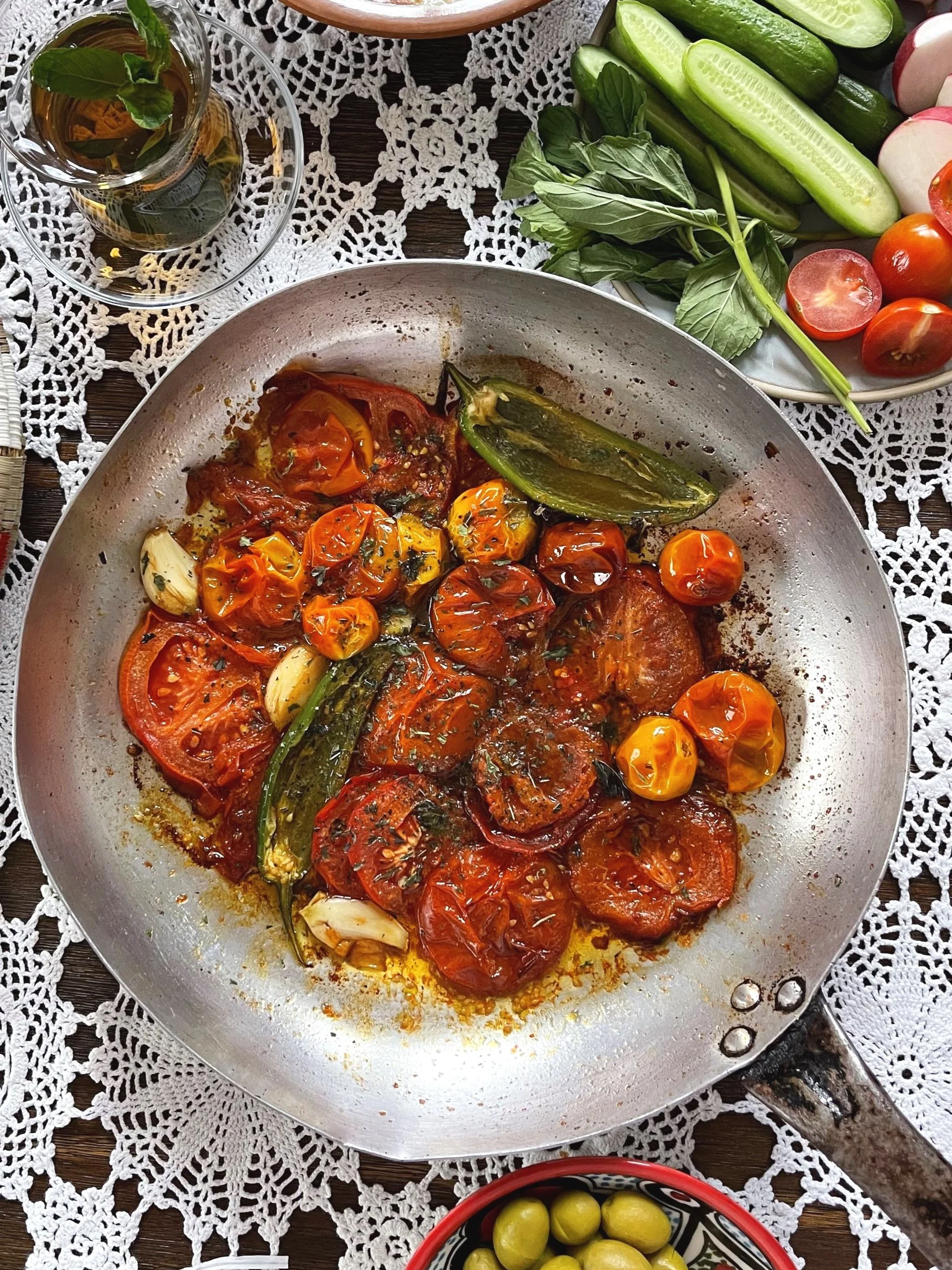
Alayet Bandoura
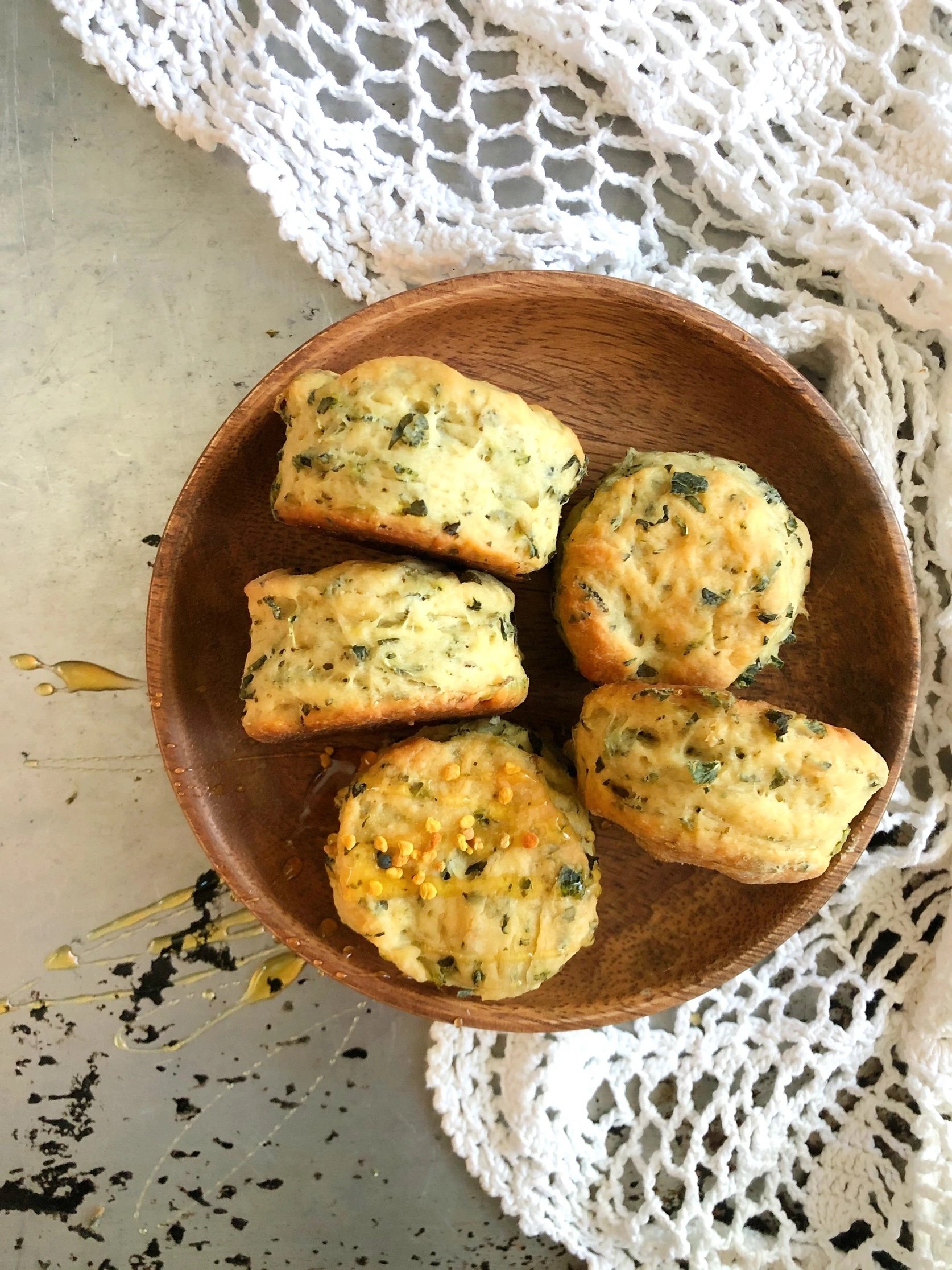
Sweet Zaa'tar and my Beloved Teta
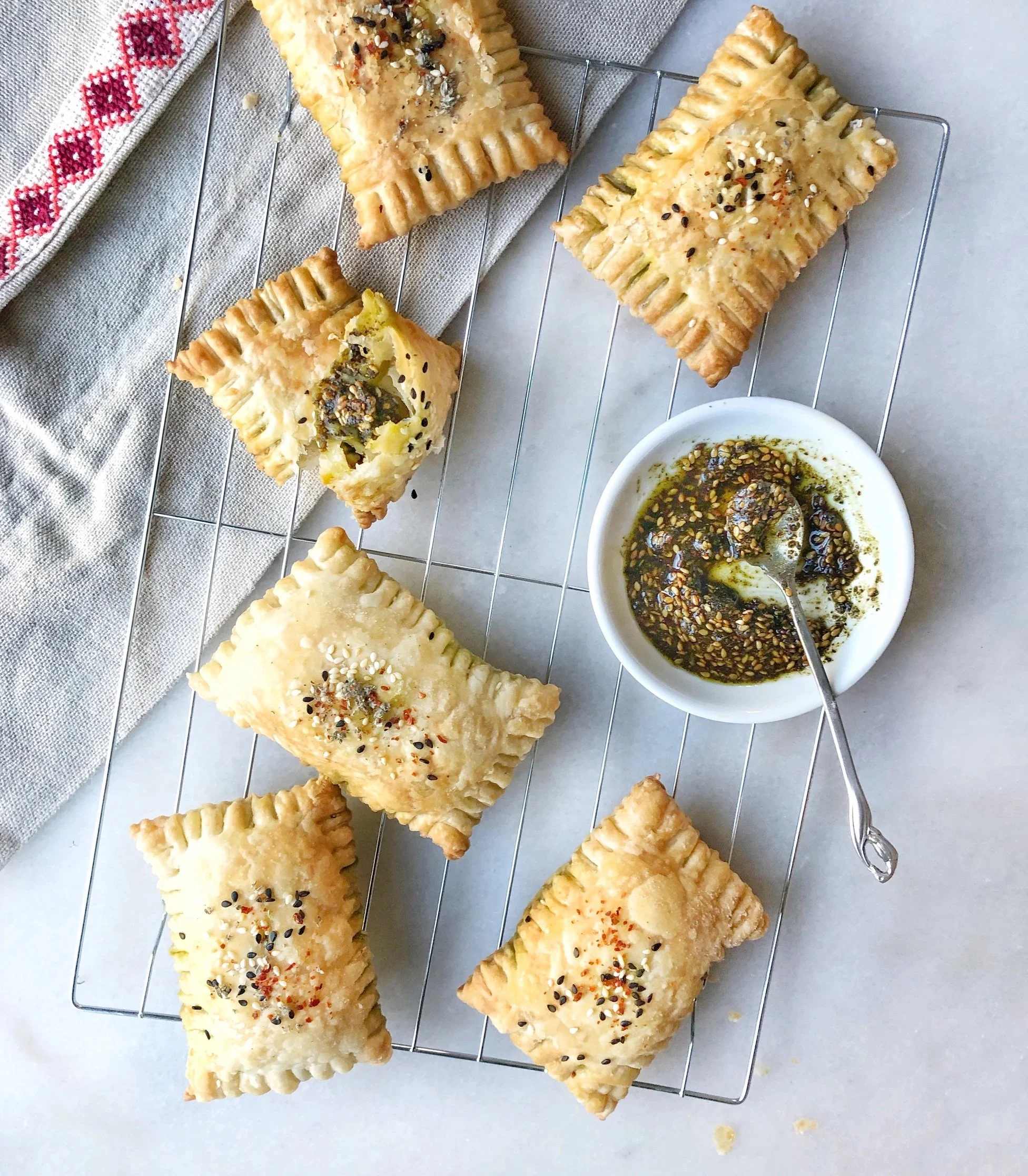
Za’atar Pop Tarts
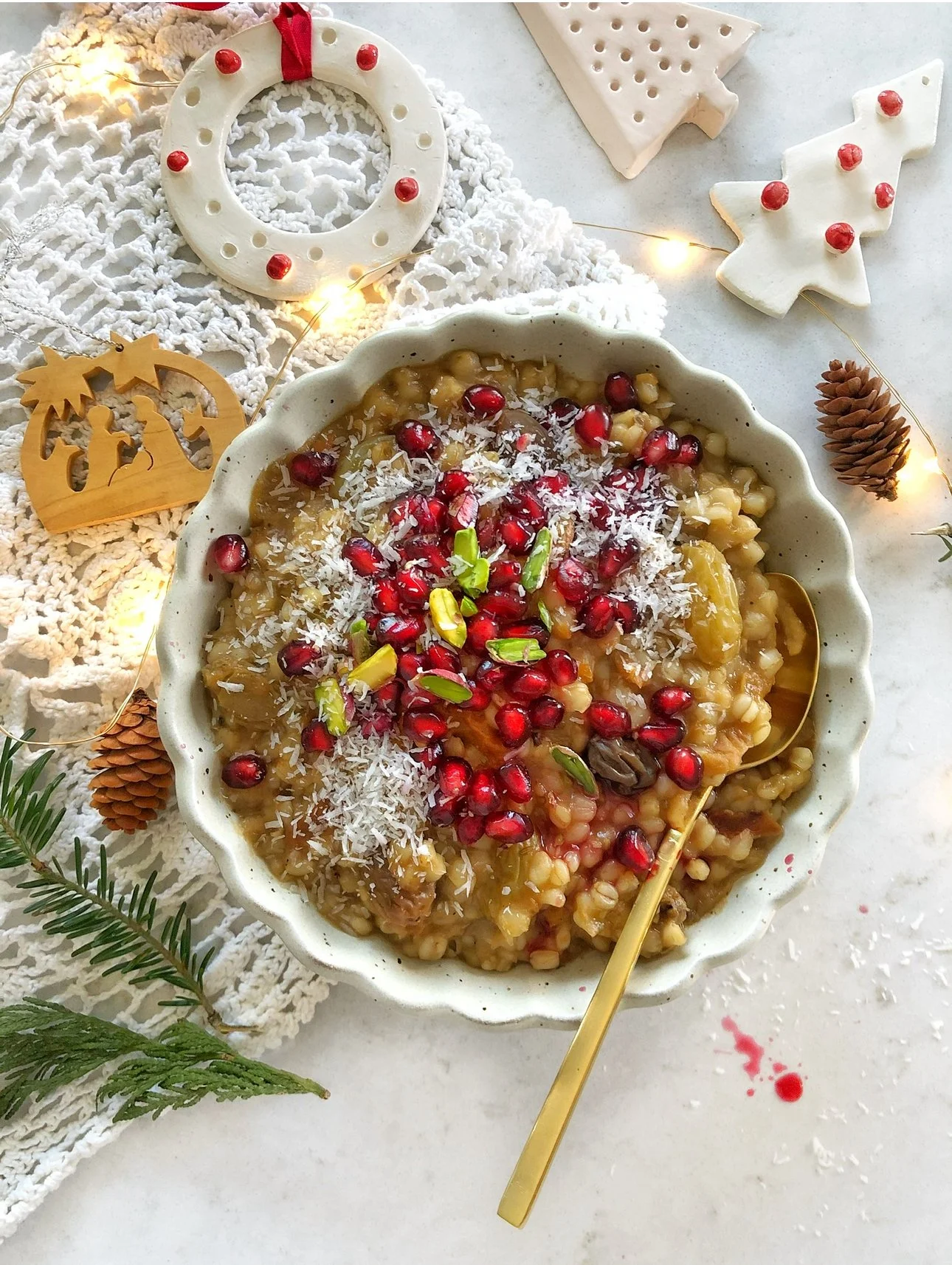
Wheat Berry Sweet Soup with Spices and Dried fruits "Burbara"